Summer Smile Emergencies When Broken Teeth Need Immediate Care
A cannonball off the diving board, a bite of corn at the barbecue, a bike wipeout on the pavement, summer has a way of turning ordinary moments into dental emergencies. When a tooth chips, cracks, or breaks, the minutes right after matter just as much as the treatment that follows. Knowing what to do immediately, and where to go, can mean the difference between a simple fix and a much bigger problem. This guide walks you through what actually happens when a tooth breaks this season, and how to protect your family’s smiles until you can get proper care.
Why Broken Teeth Happen More Often in Summer
Warm weather months bring a spike in dental injuries simply because people are more active and more outdoors. Pool parties, contact sports, camping trips, and backyard cookouts all raise the odds of a hard knock to the mouth or an unexpected bite on something tough like corn on the cob or ice. Kids especially are prone to falls from bikes, skateboards, and playground equipment when school is out and supervision is more relaxed.
Travel adds another layer of risk, since families are often away from their regular dentist when an injury happens. This is why it helps to know the signs of a serious break before panic sets in.
- Sharp or jagged edges on a tooth after impact
- Sudden sensitivity to hot, cold, or sweet foods
- Visible cracks, chips, or missing pieces
- Swelling or bleeding in the gum area
- Pain when biting down or chewing
Immediate Steps to Take After a Tooth Breaks
What you do in the first few minutes after a break can significantly affect the outcome. Staying calm and acting quickly helps preserve the tooth and reduces the risk of infection or further damage. Rinse the mouth gently with warm water to clear away debris, then check for bleeding and apply light pressure with clean gauze if needed.
If you can find the broken piece, save it in a small container of milk or saliva, since dentists can sometimes reattach fragments. Avoid chewing on that side of the mouth and skip very hot or cold foods until you’re seen by a professional.
- Apply a cold compress to reduce swelling
- Use over the counter pain relief if necessary
- Cover sharp edges with dental wax if available
- Avoid aspirin directly on the gum, as it can burn tissue
- Seek care within 24 hours whenever possible
Choosing the Right Care for a Cracked or Chipped Tooth
Not every broken tooth requires an emergency room visit, but every one needs professional evaluation to determine the extent of the damage. A minor chip on the enamel might only need smoothing and monitoring, while a crack that extends toward the gum line or exposes the inner pulp demands prompt treatment to prevent infection. Since it’s difficult to judge the severity of a crack by sight alone, a dentist’s assessment is the only reliable way to know what you’re dealing with.
Many dental offices now hold same-day or urgent appointment slots specifically for summer injuries, recognizing how common they become during these months of pool parties, cookouts, and sports camps. These slots are often reserved for exactly this kind of situation, so don’t assume you’ll be turned away because your schedule wasn’t booked in advance. Some practices even extend their hours during peak summer weeks to accommodate the uptick in chipped and broken teeth from vacations and outdoor activities.
A quick call to your regular provider is often the fastest way to get guidance on whether you need to come in immediately or can wait a day. When you call, be ready to describe the pain level, whether the tooth is sensitive to hot or cold, and if there’s any visible bleeding or swelling. That information helps the office triage your case accurately and decide whether you should head in within the hour or simply keep the area clean and comfortable until the next available appointment.
If your usual practice is closed or you’re traveling for the holiday, look for offices that advertise emergency availability or same-day appointments, since many dental practices reserve slots specifically for these situations. A quick search for “emergency dentist near me” or a call to your regular dentist’s after-hours line can point you toward same-day care. Delaying treatment allows bacteria to reach the inner pulp of the tooth, which can turn a minor chip into a painful infection within 24 to 48 hours.
Getting seen quickly also gives the dentist more options for a simple repair, such as bonding or a smoothing of rough edges, rather than a more invasive procedure like a root canal or crown later. In many cases, a chip that’s caught early can be fixed in a single visit lasting less than an hour, while a neglected crack may require multiple appointments and significantly higher cost.
When calling around, ask whether the office can see you the same day and whether they handle the specific issue you’re facing, since not every practice manages complex fractures or knocked-out teeth on site. If they can’t, they should be able to refer you to a nearby emergency dental clinic or an oral surgeon who can.
- Ask if the office offers same-day emergency slots, and how quickly they can see you (within hours vs. next available opening)
- Confirm they treat both adults and children, since summer camp and vacation injuries often involve kids
- Ask whether they offer after-hours or weekend emergency lines, since chips often happen during pool parties or cookouts
- Check if they handle insurance claims for urgent visits, and whether they’ll verify coverage before you arrive
- Ask about payment options for uninsured visits, such as payment plans or flat emergency fees
- Look for reviews mentioning fast emergency response and how the staff handled pain management
- Confirm the office has on-site X-ray equipment to assess damage immediately rather than referring you elsewhere
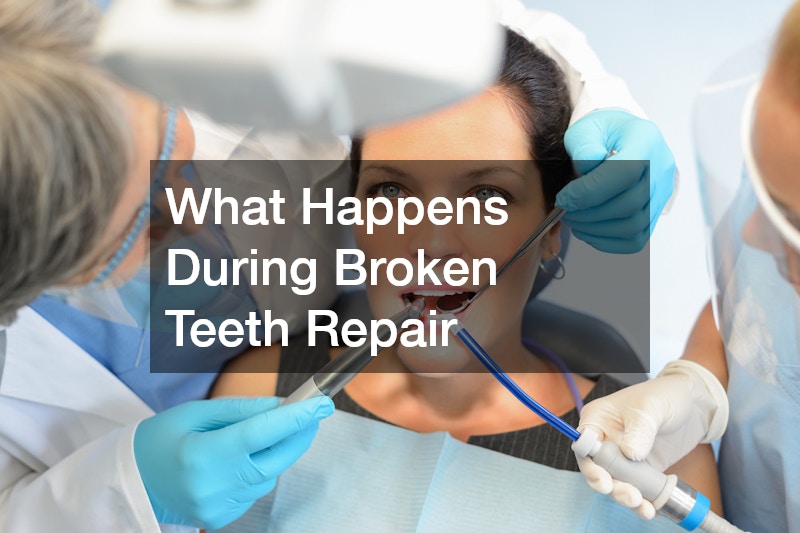
What Happens During Broken Teeth Repair
Treatment for broken teeth repair depends heavily on how much of the tooth structure is affected. Minor chips are often smoothed and reshaped in a single visit using composite bonding material that matches the natural tooth color. Larger breaks that expose the inner layers may need a filling, a bonded restoration, or in more severe cases, a root canal before any restoration can be placed.
For teeth that are too damaged to bond, a crown dentist may recommend capping the tooth entirely to restore its strength and shape. This process usually involves shaping the remaining tooth, taking an impression, and placing a custom crown that blends with surrounding teeth. Modern materials make these restorations durable enough to handle normal biting and chewing for many years.
- Bonding for small chips and minor cracks
- Fillings for moderate structural loss
- Root canal therapy for breaks reaching the nerve
- Full crowns for extensive damage or weakened teeth
Special Considerations for Young Athletes and Campers
Kids and teens face a higher risk of dental trauma during summer sports leagues, day camps, and family vacations. Baseball and softball account for a significant share of these injuries, along with skateboarding, biking, and pool-related falls. A children dentist can offer guidance on mouthguards and preventive measures tailored to a child’s specific activities, whether that’s swimming, baseball, or skateboarding.
Not all mouthguards offer the same level of protection. Custom-fitted mouthguards, molded by a children dentist from an impression of your child’s teeth, tend to protect better than the generic boil-and-bite versions sold in stores because they fit snugly and don’t shift during play. Boil-and-bite guards are a reasonable backup option, but they can loosen mid-game, leaving gums and teeth exposed at the worst possible moment.
Summer also brings unique risks worth flagging to coaches and camp counselors ahead of time, such as diving injuries in shallow pools or falls on hard playground surfaces. Asking about a facility’s first-aid protocol and whether staff know how to handle a knocked-out tooth can make a real difference. A few minutes of preparation before the season starts can spare your child unnecessary pain and spare you a frantic search for emergency dental care later.
Summer sports leagues and camp activities bring plenty of collisions, falls, and stray elbows, which means kids’ teeth take more risks during these months than almost any other time of year. Because baby teeth and permanent teeth respond differently to trauma, it helps to have a children dentist evaluate any injury involving a child under twelve, even if the tooth looks only slightly chipped or wiggly. What appears to be a minor cosmetic issue can sometimes signal deeper damage to the root or surrounding bone.
Some breaks that look minor on the surface can affect the development of teeth still forming beneath the gum line. A baby tooth that gets pushed out of position, for example, may interfere with the permanent tooth waiting below it, potentially causing crowding or delayed eruption years later. Dentists often recommend follow-up X-rays weeks or months after the initial injury specifically to monitor this hidden development.
Prompt evaluation reduces the chance of long-term complications with alignment or eruption. It also gives parents a clearer picture of whether a mouthguard, mouth cushion, or other protective gear should become part of the child’s gear bag for the rest of the season. Coaches and camp counselors can be valuable allies here too, since they’re often the first to notice an injury and can help ensure a dental visit happens quickly rather than being put off until symptoms worsen.
- Custom-fitted mouthguards for contact sports, biking, and skateboarding offer far better protection than generic store-bought versions
- Fast evaluation for any injury to baby teeth, since damage can affect the developing permanent tooth underneath
- Watch for delayed pain, sensitivity, or discoloration in the days after impact, as these can signal nerve damage even if the tooth looked fine initially
- Pack a small dental first-aid kit for summer camp or travel, including gauze, a save-a-tooth container or milk substitute, and a pediatric dentist‘s contact number
- Make sure camp counselors or coaches know about any existing dental work, like braces or retainers, in case of a summer sports injury
How Family Dental Habits Reduce Summer Risks
Prevention plays as big a role as treatment when it comes to avoiding serious injuries. Establishing consistent family dental care routines, including regular checkups before summer break begins, helps catch weak spots like cavities or old fillings that are more likely to fracture under stress. A tooth already compromised by decay is far more prone to breaking during a fall or hard bite.
Packing a basic dental kit for trips, including wax, gauze, and a saved-tooth container, gives families a head start if an injury does occur. Setting ground rules around helmets, mouthguards, and supervised swimming also cuts down on preventable accidents. Small habits built into a summer routine often prevent the need for emergency visits altogether.
- Schedule checkups before summer travel or camp season
- Pack a basic emergency dental kit for trips
- Reinforce helmet and mouthguard use for kids
- Address existing cavities before they worsen under stress
Straightening Options After a Break Heals
Sometimes a broken tooth shifts its neighbors slightly out of alignment as it heals, or reveals a bite issue that was already developing. Once the immediate repair is complete and the area has stabilized, some patients ask about straightening options to correct minor shifts or long-standing crowding. Invisalign has become a popular choice for adults and teens because the clear aligners are removable and less noticeable than traditional braces.
This option is not typically recommended immediately after a repair, since the tooth and surrounding tissue need time to settle. A dentist can advise on timing once the restoration, whether a filling, bonding, or crown, has fully set. Waiting for proper healing helps ensure the aligners fit correctly and don’t put unnecessary pressure on a newly repaired tooth.
- Clear aligners for minor post-injury shifting
- Removable design for easier cleaning around repairs
- Best started after full healing of the repaired tooth
- Regular check-ins to monitor fit and progress
What to Ask Before Visiting an Unfamiliar Dental Office
If you’re traveling and need urgent care far from home, it helps to ask a few key questions before booking an appointment. Confirming that the practice has proper dental equipment supply for emergency procedures, such as digital x-ray systems and sterilization tools, gives you confidence in the quality of care you’ll receive. A well-equipped office can typically handle everything from a simple chip to a more complex repair without needing a referral elsewhere.
It’s also worth noting the physical setup of a practice, since modern dental cabinetry and organized treatment rooms often reflect a well-run operation with efficient infection control. While this shouldn’t be the only factor in your decision, a clean and orderly space is a reasonable indicator of overall standards. Don’t hesitate to call ahead and ask about their emergency protocol directly.
- Ask about on-site x-ray and sterilization capabilities
- Confirm they can treat both chips and full breaks
- Ask how quickly they can schedule an urgent visit
- Check if they coordinate care with your regular dentist afterward
Summer’s fun and freedom shouldn’t come at the cost of a damaged smile, but when accidents happen, knowing how to respond quickly makes all the difference. Save this guide, keep a basic dental kit on hand, and don’t wait to call a professional if a tooth chips, cracks, or breaks. Whether you need a same-day repair or just peace of mind, getting evaluated promptly is always the safest next step.

Related Posts
How to Find the Right Dentist for You
Questions to Ask Your Family Dentist