Dental Solutions for Growing Families, Busy Adults, and Aging Loved Ones
Dental needs change significantly over the course of a lifetime. Growing children, working adults, and aging family members all face different challenges that influence how oral care should be planned, delivered, and maintained. A one-size-fits-all approach rarely works, especially for households balancing busy schedules, health considerations, and long-term planning. Factors such as insurance coverage, time availability, medical history, and lifestyle habits all affect how consistently dental care can be maintained. Understanding how dental solutions can be adapted for each stage of life helps families make better decisions, set realistic expectations, and avoid preventable issues that compound over time.
This article explores practical dental strategies for young families, professionals with limited time, and older adults who may require additional support. Each section focuses on actionable guidance that helps readers align dental care with real-world constraints, evolving health needs, and long-term comfort. By approaching oral health as a continuum rather than isolated appointments, families can reduce stress and improve outcomes across generations.
Preventive Dental Care for Young Children
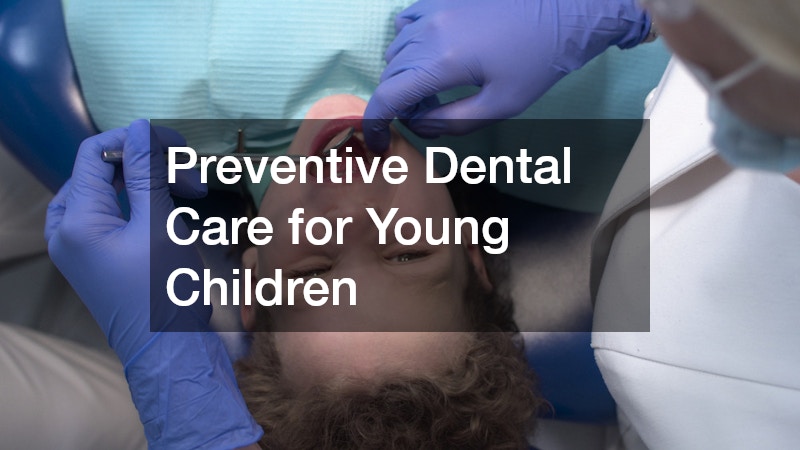
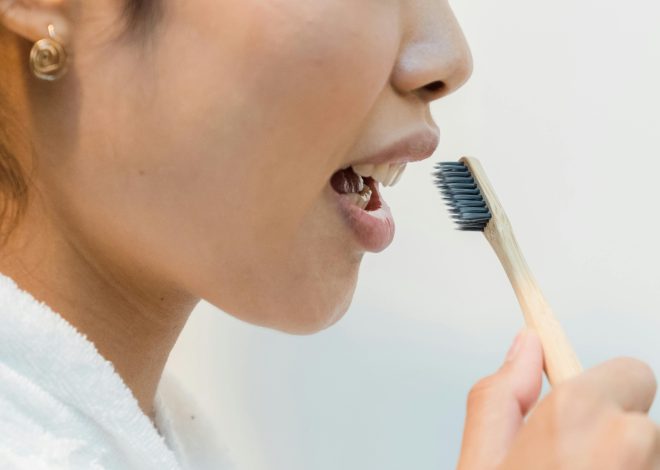
Establishing dental routines during the pre k stage helps children build habits that carry into adolescence and adulthood. Brushing twice daily, supervised flossing, and limiting sugary snacks reinforce both oral health and consistency. Early routines also support proper jaw development and appropriate spacing for incoming adult teeth. These habits are especially important as children transition into school environments where dietary control becomes less predictable. Parents who model good habits and keep routines predictable reduce resistance and anxiety, making dental care feel like a normal part of daily life rather than an occasional or stressful obligation.
Children benefit most from tools designed specifically for their developmental stage. Small-headed toothbrushes with soft bristles, easy-grip handles, and toothpaste formulated for kids improve comfort and compliance. Parents should introduce floss picks or training flossers once teeth begin touching, focusing on technique and consistency rather than perfection. Choosing the right tools minimizes gum irritation, encourages independence, and maintains effective plaque control. Regularly replacing worn brushes reinforces hygiene standards as skills and coordination improve, while also reducing bacterial buildup on aging tools.
Early dental visits should prioritize familiarity and comfort over treatment. Short, positive appointments help children associate dental care with reassurance rather than fear or discomfort. Scheduling visits during calm times of day and avoiding rushed or overpacked appointments reduces stress for both children and caregivers. Parents should seek practices that emphasize gentle communication, patience, and education rather than reactive treatment. These early experiences strongly influence long-term attitudes toward oral health, making future care easier, more consistent, and more effective.
Orthodontic Options for Teens and Adults
A clear aligner can be an effective option for teens and adults who want orthodontic treatment without the visibility or maintenance demands of traditional braces. These systems are removable, which makes eating, brushing, and flossing more manageable and reduces dietary restrictions. They also typically require fewer in-office adjustments, benefiting individuals with limited availability or demanding schedules. For working adults, this flexibility can mean fewer disruptions to professional responsibilities. However, treatment success depends on consistent daily wear and careful adherence to provider instructions, as inconsistent use can delay progress or compromise results.
Orthodontic success relies heavily on patient behavior and realistic self-assessment. Removable systems require discipline, particularly for teens balancing school, sports, and social activities or adults managing work and family obligations. Patients should consider whether they can commit to recommended wear times, proper storage, and daily cleaning routines. Providers often evaluate lifestyle factors such as travel frequency, meal habits, and work schedules to ensure the selected approach aligns with practical, sustainable daily habits rather than idealized expectations.
Regular monitoring ensures treatment remains on track and adjustments are made when needed. Patients should attend scheduled check-ins and report discomfort, fit issues, or lost trays promptly to avoid setbacks. Oral hygiene is especially important, as aligners can trap bacteria against the tooth surface if not cleaned thoroughly. Daily brushing, flossing, and proper aligner care help prevent decay, staining, and gum inflammation during treatment. Staying proactive throughout the process supports predictable timelines and long-lasting results.
Choosing the Right Provider for the Whole Family
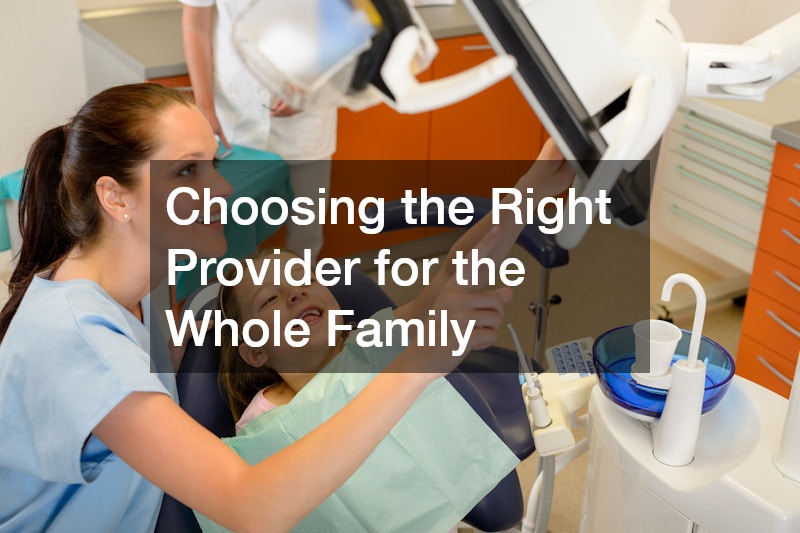
Selecting a local dentist who treats patients of all ages simplifies care coordination and strengthens continuity over time. Families benefit from providers who maintain comprehensive records and understand shared genetic, dietary, or environmental risk factors that influence oral health. This familiarity allows dentists to identify patterns early and recommend preventive strategies tailored to the household rather than treating each patient in isolation. Practices offering preventive, restorative, and emergency services under one roof reduce the need for outside referrals and fragmented care. Clear communication, consistent staff, and transparent treatment planning are strong indicators of a practice suited for long-term, relationship-based family care.
Receptionists and dental medical assistants also play an important role in the patient experience at a dental office by supporting clinical workflows, explaining procedures, and helping ensure appointments run efficiently and comfortably for patients of all ages. Their involvement often improves communication between patients and providers, particularly when clarifying next steps or reinforcing post-visit instructions. A knowledgeable, approachable support staff can significantly reduce anxiety and help families feel more confident navigating ongoing dental care, especially during complex or multi-visit treatment plans.
Managing appointments for children, adults, and seniors can be challenging without the right systems in place. Practices that offer flexible scheduling, grouped family appointments, or extended hours significantly reduce administrative burden. Coordinated care also allows providers to align preventive strategies across family members, such as timing cleanings or monitoring hereditary risk patterns. This approach saves time while ensuring each individual receives age-appropriate guidance and timely treatment, even during busy or transitional periods.
Digital tools further improve consistency and follow-through. Online portals allow families to access records, submit forms, review treatment plans, and manage payments in one place. Automated reminders reduce missed appointments and last-minute cancellations, which can delay care and increase costs. These systems are especially helpful for households balancing school schedules, work demands, and caregiving responsibilities, keeping dental care organized, predictable, and easier to maintain long term.
Restorative Solutions for Missing Teeth
Dentures are often recommended when multiple teeth are missing or when other restorative options are not feasible due to bone loss, medical limitations, or budget considerations. They restore essential functions such as chewing and speaking, support facial structure, and help prevent the sunken appearance associated with tooth loss. Patients should understand the differences between full and partial options, as well as how gum health and jaw shape affect fit and stability. A thorough consultation helps align expectations with realistic outcomes, long-term maintenance requirements, and daily lifestyle considerations.
Adjustment periods are normal and require patience and open communication. Initial discomfort, pressure points, increased salivation, or temporary speech changes often resolve with time and minor adjustments. Patients should attend scheduled follow-up visits and report issues early rather than attempting self-corrections that could damage the appliance. Understanding that adaptation is gradual helps reduce frustration and leads to better comfort, confidence, and function over time.
Proper cleaning and storage prevent premature wear, odor, and oral infections. Appliances should be cleaned daily using provider-recommended solutions and handled carefully to avoid warping or breakage. They should be stored in appropriate containers when not in use, especially overnight. Avoiding heat, abrasive cleaners, and harsh chemicals preserves shape and function. Consistent care extends lifespan, maintains fit, and supports long-term oral tissue health.
Integrating Holistic Health Perspectives
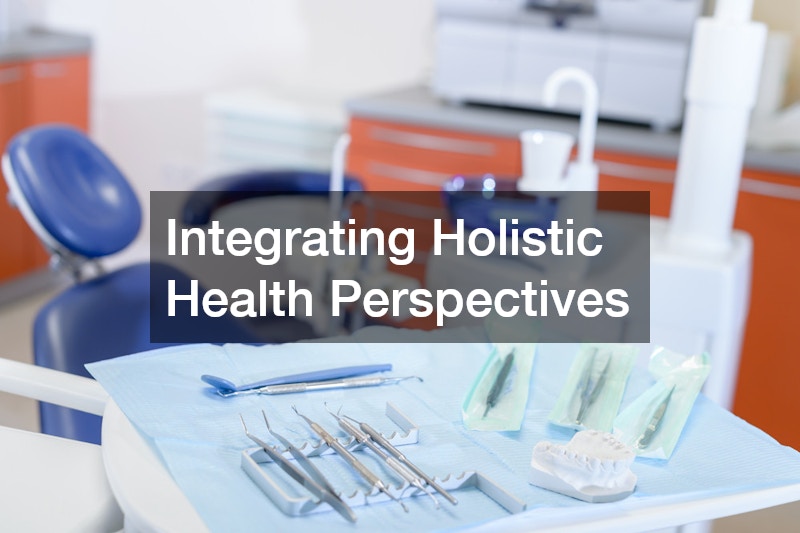
Natural medicine approaches can support oral health when used responsibly and as a complement to conventional care. Certain supplements may help reduce inflammation, support gum tissue, or promote overall immune response when used appropriately and under professional guidance. These approaches are often most effective when paired with consistent hygiene and routine dental visits. However, patients should always discuss these options with dental providers to ensure compatibility with ongoing treatments, medications, or planned procedures, particularly when healing or surgical care is involved.
Not all supplements are beneficial or necessary. Patients should carefully evaluate clinical evidence, proper dosing, and potential interactions with medications or dental materials. Self-prescribing can lead to unintended side effects or reduced treatment effectiveness. Professional guidance helps ensure supplements support oral health goals rather than undermine established care plans.
Open communication between providers ensures cohesive, patient-centered care. Sharing supplement use allows dentists to adjust treatment timing, anesthesia considerations, or post-procedure recommendations safely. Coordination across healthcare disciplines reduces risk, improves outcomes, and supports comprehensive, well-aligned health management.
Addressing Jaw and Posture Concerns
A chiropractor may assist with jaw alignment or posture-related tension contributing to discomfort, particularly when poor posture or spinal imbalance places strain on the neck and jaw. Addressing these musculoskeletal factors can complement dental interventions, especially for chronic or recurring issues that do not fully resolve with oral appliances alone. Jaw strain may also become noticeable after activities like dining at a local steak restaurant, where chewing tougher foods can trigger pain or contribute to a chipped tooth in an already compromised bite, signaling the need for broader evaluation.
Symptoms such as frequent headaches, jaw clicking, facial tension, or limited range of motion may indicate underlying alignment concerns. Early recognition allows coordinated care before issues worsen or become more difficult to manage. Patients benefit from understanding how posture, bite alignment, and muscle tension are interconnected rather than treating symptoms in isolation, which often leads to incomplete or temporary relief.
Collaborative planning ensures treatments reinforce each other rather than work at cross-purposes. Clear communication between providers helps align timelines, treatment goals, and patient expectations, leading to more effective, longer-lasting outcomes and improved overall comfort and function.
Dental Support for Aging Loved Ones
An in home health service can assist with daily hygiene when mobility or cognition declines, ensuring oral care does not fall through the cracks as independence decreases. Consistent support helps prevent complications such as infections, untreated decay, gum disease, or missed care routines that can quickly escalate into serious health issues for seniors. Regular assistance also allows early identification of changes that may require professional attention, reducing emergency-driven interventions and avoidable hospital visits.
Flexible scheduling and accessible facilities significantly reduce stress for older adults. Caregivers play a critical role in coordination and advocacy by managing appointments, transportation, and communication between dental providers and other healthcare professionals. This oversight ensures care remains consistent, well-organized, and adapted to changing physical or cognitive needs as circumstances evolve, while also providing families with reassurance and clearer oversight.
Anticipating future needs allows families to plan proactively rather than react under pressure. Long-term strategies support comfort, dignity, and health while reducing crisis-driven decisions, unnecessary hospital visits, and last-minute care disruptions that place emotional and financial strain on families over time. Early planning also improves continuity as care needs increase.
Showing Appreciation for Exceptional Dental Care

Taking time to thank a dental office after a positive experience helps strengthen long-term relationships and supports small healthcare teams. Simple gestures such as leaving a detailed review, referring friends or family, or arranging flower delivery to the office can go a long way in recognizing attentive care and professionalism. Patients may also choose to acknowledge specific team members who made the experience positive, reinforcing a culture of service and accountability. These actions not only boost staff morale but also help trusted practices grow through word-of-mouth, benefiting both the provider and the wider community.
Dental care is not static, and effective solutions depend on where a person is in life and what challenges they face day to day. Families who take the time to align dental strategies with age, lifestyle, and health considerations are better positioned to prevent problems and manage changes as they arise.
By understanding how dental needs evolve and how care can be adapted, households can make informed decisions that support comfort, function, and long-term well-being. Thoughtful planning, clear communication, and consistent follow-through remain the foundation of effective dental care at every stage of life. When families approach oral health proactively, they are better equipped to prevent avoidable problems and manage changes with confidence. This approach also helps reduce stress, unexpected costs, and gaps in care as circumstances shift. Ultimately, well-coordinated dental planning supports not only healthier smiles but a higher quality of life across generations.