What You Need to Know About Dental Hygiene Procedures
Maintaining proper dental hygiene is one of the most important aspects of personal health, yet it is often overlooked or underestimated. A healthy mouth does more than just contribute to a beautiful smile; it plays a critical role in overall well-being. Poor oral care can lead to cavities, gum disease, and infections that may even impact other systems in the body, including the heart and digestive system. Furthermore, neglecting dental hygiene can result in chronic discomfort, bad breath, and a decreased quality of life.
Importance of Routine Dental Hygiene Care
Routine dental care forms the foundation of good oral health. Daily practices such as brushing, flossing, and using mouth rinses play a crucial role in removing plaque, food debris, and bacteria from the teeth and gums. These habits reduce the risk of tooth decay, gum inflammation, and other oral conditions that, if left untreated, can lead to more serious health complications. In addition to personal care, routine dental hygiene helps maintain overall wellness by preventing infections that could affect other parts of the body.
Regular visits to dentists complement at-home oral care by providing professional assessment and intervention. Dentists examine the mouth for early signs of cavities, gum disease, oral cancers, and other conditions that may not be visible or noticeable to the patient. These appointments also allow for cleaning procedures that remove plaque and tartar buildup that daily brushing cannot fully eliminate. Dentists can personalize recommendations based on the patient’s oral condition, offering guidance on brushing techniques, flossing methods, and preventive measures such as fluoride treatments. By combining professional care with personal hygiene practices, patients reduce their risk of developing serious dental problems and enjoy improved oral health, comfort, and confidence in their smiles.
Overview of Dental Hygiene Procedures
Dental hygiene procedures are professional services designed to maintain, protect, and improve oral health. These procedures range from routine cleanings and examinations to more specialized treatments such as scaling, root planing, fluoride applications, and sealants. Each procedure serves a specific purpose, whether it is preventing cavities, removing tartar, reducing bacteria, or monitoring oral health for signs of disease. Understanding the variety of available procedures helps patients appreciate their importance and recognize how they contribute to long-term oral wellness. Comprehensive dental hygiene care is preventive in nature and aims to address problems before they require extensive intervention, saving patients both time and discomfort.
In dental offices, trained professionals use specialized tools and techniques to perform these procedures efficiently and safely. A professional cleaning, for example, involves scaling to remove hardened plaque and tartar, polishing teeth to eliminate surface stains, and often applying fluoride to strengthen enamel. Dental offices also offer detailed oral examinations to check for early signs of decay, gum disease, and other oral health concerns. By providing a controlled environment and access to advanced technology, dental offices ensure that patients receive precise care tailored to their needs. Additionally, these settings allow dental professionals to educate patients about at-home oral hygiene practices, reinforcing preventive care and helping maintain results between visits. Regular engagement with dental offices helps individuals achieve optimal oral health and reduces the likelihood of serious dental complications over time.
Professional Cleanings and Plaque Removal
Maintaining a clean mouth is essential for both health and confidence. Plaque, a sticky film of bacteria that constantly forms on teeth, is the main cause of cavities and gum disease if left unchecked. Regular removal of plaque helps prevent the formation of tartar, which is harder to remove and can contribute to more serious oral problems. Professional cleanings are a cornerstone of dental hygiene and complement at-home care routines. While daily brushing and flossing remove much of the surface buildup, professional procedures target areas that are difficult to reach and ensure the teeth and gums remain healthy and strong over time.
Tooth cleaning services play a vital role in maintaining oral health by providing a thorough, professional cleaning that goes beyond what can be achieved at home. During a typical session, dental hygienists use specialized tools to remove plaque and tartar, polish teeth to smooth surfaces, and sometimes apply protective fluoride treatments. These services also include evaluating the gums for signs of disease and checking for early decay or damage that could require treatment. Professional cleanings not only preserve oral health but also help patients maintain a fresh, confident smile. Regular engagement with these services encourages preventive care, reduces the risk of costly procedures later, and reinforces the habits necessary for maintaining long-term oral hygiene.
Role of Dental Exams in Oral Health
Dental exams are critical for early detection and prevention of oral health problems. These exams allow professionals to assess the condition of teeth, gums, and surrounding tissues, identifying potential issues before they progress into serious complications. Regular exams also provide an opportunity for dental professionals to educate patients about proper hygiene techniques and preventive measures. By detecting problems early, exams reduce the risk of tooth loss, gum disease, and other systemic complications that may arise from untreated oral infections. They also offer reassurance to patients, promoting confidence in their oral health and reinforcing the importance of consistent care. Dental experts conduct thorough exams to evaluate the overall health of a patient’s mouth. These assessments typically include visual inspection, probing of the gums to detect signs of disease, and sometimes diagnostic imaging such as X-rays to identify issues not visible to the naked eye. Dental experts can identify cavities, enamel erosion, infections, and early signs of conditions like oral cancer. They provide personalized recommendations, helping patients address problems promptly and improve at-home hygiene practices. By engaging with dental experts regularly, individuals can maintain optimal oral health, prevent complex treatments, and achieve peace of mind knowing their teeth and gums are well cared for.
Oral Surgery for Advanced Gum Disease
Advanced gum disease can lead to significant damage to the teeth and supporting bone if left untreated. In severe cases, routine cleanings are no longer sufficient, and professional intervention through oral surgery may be necessary. Procedures such as scaling and root planing are often performed as part of a broader oral surgery plan to control infection, restore gum health, and prevent tooth loss. Understanding when oral surgery becomes necessary and what it entails can help patients feel more prepared and confident in seeking treatment for serious periodontal conditions.
In specialized oral surgery settings, scaling and root planing are performed with precise techniques to thoroughly remove plaque and tartar from below the gum line and smooth the root surfaces. Local anesthesia is commonly used to ensure patient comfort during the procedure. Oral surgeons may combine these treatments with additional interventions, such as gum flap surgery, to access deep pockets of infection or repair damaged tissue. Post-procedure care includes guidance on brushing, flossing, and sometimes antimicrobial rinses to support healing and prevent recurrence. By incorporating these procedures into oral surgical treatment plans, patients can effectively manage advanced gum disease, protect their teeth, and maintain long-term oral health.
Preventive Care for Gum Disease
Gum disease is one of the most common oral health problems and can have serious consequences if left untreated. It begins with inflammation of the gums, often caused by plaque buildup, and can progress to more severe forms that damage the bone supporting the teeth. Preventive care is essential because it focuses on stopping the disease before it causes irreversible damage. Simple daily habits, such as brushing twice a day, flossing, and using an antimicrobial mouth rinse, form the first line of defense. Preventive care also includes lifestyle choices, such as maintaining a healthy diet, avoiding tobacco, and attending regular dental checkups, all of which support long-term oral health.
Attending regular dentist appointments ensures that gum disease is detected early and managed effectively. Dentists can evaluate gum health, measure pocket depths around the teeth, and identify areas of inflammation that may not be noticeable at home. Professional cleanings during these appointments remove plaque and tartar that brushing cannot reach, reducing the risk of progression to advanced periodontal disease. Dentists can also provide personalized preventive plans, including advice on technique, frequency, and the use of specific oral care products. By combining at-home habits with professional monitoring, patients can protect their gums, maintain a healthy smile, and avoid invasive treatments in the future.
Use of Dental X-Rays in Hygiene Care
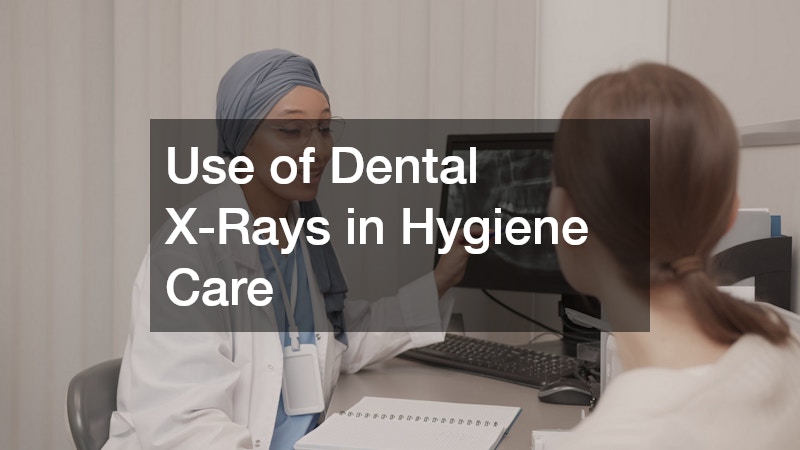
Routine dental examinations often reveal only the surface of the teeth, leaving underlying issues hidden. Dental X-rays allow professionals to see what lies beneath, including cavities between teeth, impacted teeth, and bone density concerns. These imaging tools are essential for preventive care and accurate diagnosis, providing information that cannot be gathered from a visual inspection alone. Understanding the purpose of dental X-rays helps patients feel more comfortable during the process and emphasizes their role in comprehensive oral hygiene.
In the hands of trained professionals, dental crowns and other restorative options can be planned more accurately with the information gained from X-rays. Dentists can assess the extent of decay or damage and determine whether crowns, fillings, or other interventions are needed to restore tooth function and structure. X-rays also help track the progress of treatments and evaluate potential complications, such as infections or root problems. By using dental X-rays as part of routine care, patients receive precise diagnoses, effective treatment planning, and ongoing protection against hidden oral health issues.
Recommended Frequency of Hygiene Visits
Consistency is a critical element in maintaining oral health. While daily brushing and flossing are necessary, professional monitoring ensures that small issues are addressed before they develop into larger problems. The frequency of dental visits depends on individual factors, including age, oral health status, and risk factors such as smoking or a history of gum disease. Regular visits provide a structured opportunity to assess the effectiveness of at-home care and update preventive strategies based on current needs. For patients using Invisalign or other orthodontic devices, scheduling hygiene visits at appropriate intervals is particularly important. Dental professionals can check for areas where food or plaque may accumulate around the appliances, adjust cleaning recommendations, and monitor tooth movement to ensure proper alignment. These visits also allow for professional cleaning of hard-to-reach areas, helping prevent cavities, gum inflammation, and other complications that can arise during orthodontic treatment. Following a recommended schedule of hygiene visits supports long-term oral health, protects dental work, and reinforces daily habits that maintain a healthy mouth.
What to Expect During a Cosmetic Dentist Appointment
A cosmetic dentist is a dental professional who focuses not only on oral health but also on improving the appearance of your smile. During a cosmetic dentist appointment, patients can expect more than the standard cleaning and examination. The dentist will evaluate the overall look of the teeth, gums, and bite, identifying areas that may benefit from treatments such as whitening, reshaping, or aligning. Their goal is to help patients achieve a smile that is both healthy and aesthetically pleasing.
Patients also receive personalized advice on maintaining and enhancing their smile between visits. This can include guidance on brushing and flossing techniques, recommendations for cosmetic treatments, and strategies to prevent staining or damage. By attending regular appointments with a cosmetic dentist, patients can ensure that their teeth are not only well cared for but also visually appealing. This combination of health and aesthetics helps prevent potential dental issues while boosting confidence in everyday life.
Maintaining Oral Health Between Visits

Maintaining oral health requires ongoing effort beyond professional appointments. Daily routines such as brushing twice a day, flossing, and using mouth rinses are fundamental to removing plaque, preventing cavities, and supporting gum health. Nutrition, hydration, and avoiding harmful habits like smoking also contribute significantly to oral well-being. By implementing consistent practices at home, patients reduce the risk of dental complications and enhance the effectiveness of professional treatments, ensuring that oral health is preserved over time. Proper care is especially important for individuals using dentures, as these devices require unique attention to prevent irritation, bacterial buildup, and damage to surrounding tissues. Denture wearers must clean the appliance thoroughly, soak it as recommended, and maintain the health of any remaining natural teeth and gums. Regular follow-up with dental professionals ensures proper fit and function while addressing any issues promptly. By combining diligent at-home maintenance with professional oversight, patients with dentures can enjoy improved comfort, functionality, and oral health, supporting both general wellness and confidence in daily life.
Dental hygiene is a vital component of overall health and quality of life. Incorporating professional care into a comprehensive hygiene routine ensures that small issues are identified and addressed early, reducing the need for extensive treatments later. Regular engagement with dental experts, cleanings, exams, and targeted procedures provides both preventive and restorative support, helping patients achieve long-term oral health. Coupled with consistent at-home care, this approach preserves the function, appearance, and strength of the teeth and gums while minimizing discomfort and potential complications.

Related Posts

Summer Smile Emergencies When Broken Teeth Need Immediate Care
How to Find the Right Dentist for You